Contamination
In progress. A new direction – comedic speculative fiction.
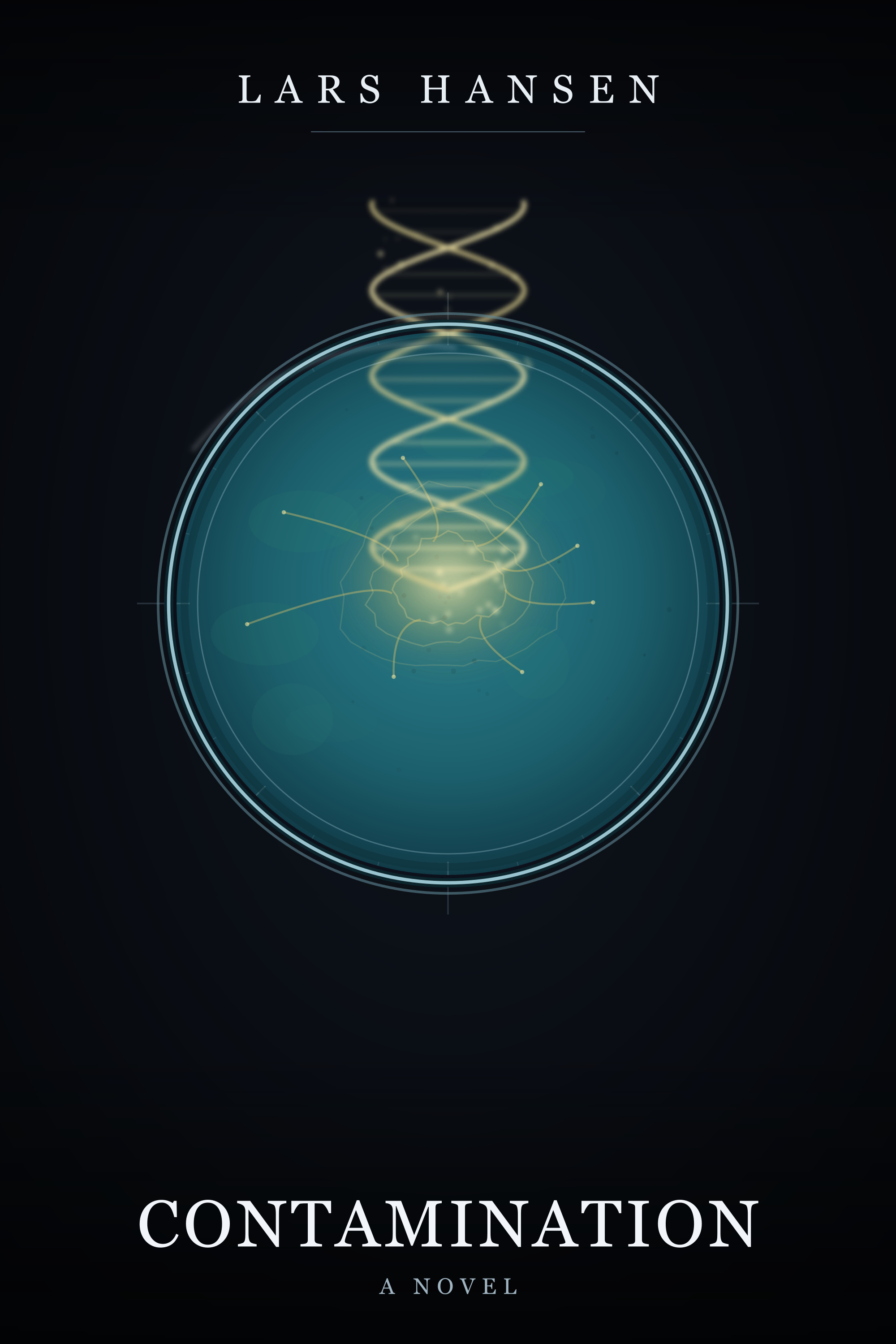
In 2066, the great adventure of spaceflight has become a job with a roster, a union, and very bad coffee.
Duanne Pratt roasts helium-3 out of the lunar regolith for a company two seconds of light away. He watches the blue and fevered Earth hang over the workings every shift, and he reads the old science-fiction masters on his tablet because he likes a book that knows the universe is bigger than the people in it. He is forty-four, divorced-ish, competent, and entirely ordinary, which turns out to be the whole point.
Then a survey flag sends him down a cut on Bench Nine, and his glove finds a surface too cold, too regular, and far too old to be there. He has dug up the part of something vast that has been resting one finger against his world since before there was anything on it to look back. It is the maker of all life on Earth, and it is cold, ancient, and fascinated. Because it has no human face of its own, it borrows the ones from inside Duanne's head: his old yard boss, a starship captain off a paperback he lost at twelve, the calm voice of a machine that is sorry, Dave. We made our gods in the image of our bosses, and now one of them wants a word.
It has been away a long time, and it has come back to see what has grown in its absence, and to decide what should be done about it. Across a single six-week rotation, in conversations that cost it dearly and a cup of coffee it cannot drink, Duanne becomes the unlikeliest advocate his species has ever had: speaking for the whole of us, to something vast and cold and entirely unconvinced, against a deadline he cannot see.
Contamination is a comedy about consumption, conscience, and the dignity of the accident that woke up. It has the comic voice of Douglas Adams and the cold curiosity of Stanisław Lem, and it asks whether a magnificent failure might be worth more than the tidy success it ruined.